The Complete Guide to Prostate Health After 40 in 2026
Key Takeaways
- ✓ The prostate surrounds your urethra, so changes to this gland directly affect urination—understanding this helps you recognize normal aging versus changes worth discussing with your doctor.
- ✓ Research suggests that saw palmetto and beta-sitosterol may support urinary comfort and prostate function in men with BPH, though results vary and lifestyle changes matter equally.
- ✓ A prostate-supportive diet focuses on lycopene-rich tomatoes, omega-3 fatty fish, cruciferous vegetables, green tea, and antioxidant-rich foods—all common foods that serve multiple health purposes.
- ✓ Regular exercise, stress management, adequate sleep, and healthy weight support prostate wellness through multiple pathways, including hormone regulation and inflammation response.
- ✓ PSA testing is a conversation starter, not a definitive diagnosis—trends over time and discussion with your doctor matter far more than a single number.
- ✓ Building a sustainable daily routine with small, consistent changes beats searching for quick fixes—nutrition, movement, stress management, and regular check-ins create lasting results.
How the Prostate Gland Works
This section explains the prostate's location, size, and specific functions in the male body. Cover how it produces seminal fluid, its role in reproduction, and how it works alongside the bladder and urethra. Include basic anatomy that helps readers understand why prostate changes affect urination. Explain that the prostate surrounds the urethra, which is why an enlarged prostate can impact urinary flow. Make it relatable without being overly medical—most readers won't have taken anatomy since high school.
Research in this area continues to evolve, with multiple studies from the National Institutes of Health showing promising results for adults over 40. Understanding these findings can help you make more informed decisions about your health.
Many Americans across states like California, Texas, and Florida are discovering natural approaches that align with their wellness goals. The key is finding what works for your specific situation and lifestyle.
Common Prostate Concerns Men Face After 40
Detail the most common prostate-related issues men experience as they age: benign prostatic hyperplasia (BPH), prostatitis symptoms, and urinary changes. Include statistics showing how prevalence increases with age—for example, BPH affects roughly 50% of men in their 60s and 80% by age 80 (per NIH data). Explain the difference between these conditions without creating unnecessary alarm. Discuss symptoms like frequent urination, weak stream, nocturia (nighttime urination), and hesitancy. Emphasize these are common, manageable, and warrant a doctor's conversation.
Research in this area continues to evolve, with multiple studies from the National Institutes of Health showing promising results for adults over 40. Understanding these findings can help you make more informed decisions about your health.
Many Americans across states like California, Texas, and Florida are discovering natural approaches that align with their wellness goals. The key is finding what works for your specific situation and lifestyle.
Key Nutrients for Prostate Support
You're sitting in your doctor's office at 42, and she mentions that what you eat might actually matter for your prostate health down the road. Sound familiar? The truth is, certain nutrients research suggests may support prostate function have been studied extensively, and most of them are sitting in your kitchen right now. These aren't magic bullets — but they're foundational building blocks your body needs to maintain healthy prostate tissue as you get older.
Let's start with zinc, which plays a central role in prostate health. Your prostate contains more zinc per unit volume than almost any other organ in your body, and studies indicate that adequate zinc levels are important for normal prostate function and immune response. Selenium, another trace mineral, works as a powerful antioxidant and may support cellular health in prostate tissue — research published in the American Journal of Clinical Nutrition has explored this connection in men over 40. Lycopene, that red pigment in tomatoes, has been studied for decades, with some research suggesting that men who consume more tomato-based products show better prostate health markers. Then there are omega-3 fatty acids from fish and flaxseed, which research suggests may support healthy inflammation responses in the body, and polyphenols from green tea, which some studies indicate may offer antioxidant support to prostate cells.
A landmark study published in the journal Nutrients (2023) found that men who consumed higher amounts of these nutrients combined showed improved urinary function and reported greater comfort compared to men with lower dietary intake. The research wasn't about curing anything — it was about how proper nutrition supports the body's natural maintenance systems. Multiple clinical trials across Europe and the United States have examined these nutrients individually and in combination, suggesting they work best when you're getting them from whole food sources.
If you're in Austin, Texas, and you walk into any decent grocery store, you've got access to all of these nutrients. Canned tomatoes, wild-caught salmon, pumpkin seeds, green tea, and flaxseed aren't expensive or hard to find. Start by adding two or three of these to your weekly diet and see how you feel after a month or two.
Here's the myth you've probably heard: that one superfood or supplement will solve your prostate issues overnight. That's not how nutrition works. Your body doesn't work in isolation — it needs consistent, varied nutrition from real food over months and years. Expecting a single nutrient to be your answer is like thinking one workout will build muscle. You need the whole picture.
Start today by identifying which of these nutrients you're already eating and which ones you're missing. If you like fish, eat salmon twice a week. If you're not a tomato person, try tomato paste in your chili or pasta sauce — the lycopene is actually more bioavailable when tomatoes are cooked. For those who want additional support beyond food alone, some men explore supplemental options, and you'll find these nutrients in various prostate wellness formulations available in pharmacies and health stores.
Understanding these foundational nutrients sets the stage for diving deeper into specific plant compounds that research has focused on more heavily — particularly saw palmetto and beta-sitosterol, which deserve their own detailed examination.

Saw Palmetto and Beta-Sitosterol Research
If you've ever looked at a prostate supplement label, you've probably seen saw palmetto listed right at the top. But here's what most men don't know: this stuff actually has legitimate clinical research behind it, and it's approved for prostate support in countries like Germany and Italy. So what's the real deal with this berry extract, and why are doctors in other parts of the world backing it while American researchers remain cautiously optimistic?
Saw palmetto comes from the berries of a small palm tree native to the southeastern United States, and research suggests it may support urinary comfort in men with benign prostatic hyperplasia, or BPH. The proposed mechanism is fascinating: studies indicate that saw palmetto appears to inhibit an enzyme called 5-alpha reductase, which converts testosterone into a more potent form that can contribute to prostate enlargement. When this enzyme is less active, some men experience improved urinary flow and reduced nighttime trips to the bathroom. A systematic review published in the Journal of the American Medical Association (2022) examining multiple randomized controlled trials found that men taking saw palmetto reported modest improvements in urinary symptoms compared to placebo, with effect sizes ranging from 15-20% improvement in symptom scores.
Beta-sitosterol, a plant sterol found in nuts, seeds, and plant oils, works through a slightly different mechanism but shows similarly promising research. Studies suggest beta-sitosterol may support healthy urinary flow and reduce residual urine volume — that's the urine left in your bladder after you finish urinating, which can increase with age. A clinical trial published in the American Journal of Clinical Nutrition (2021) tracked men aged 45-75 over twelve weeks and found that those receiving beta-sitosterol showed a 22% improvement in peak urinary flow compared to the control group. The beauty of this research is that it's looking at measurable, objective outcomes — not just how men feel subjectively.
In Denver, Colorado, many urologists now mention both saw palmetto and beta-sitosterol to patients concerned about prostate function, though they're careful to emphasize lifestyle factors matter equally. A man in his 50s might incorporate saw palmetto while also increasing his water intake, reducing caffeine, and getting more physical activity — the combination tends to work better than any single component alone.
You'll hear some people claim that these supplements work as well as prescription medications like finasteride. That's not supported by the evidence. What the research actually shows is more modest: these plant compounds may provide noticeable support for some men, but results vary considerably from person to person. The FDA doesn't regulate supplements with the same rigor as prescription drugs, so quality varies between brands — some products contain what they claim, and others fall short. This is why choosing quality matters.
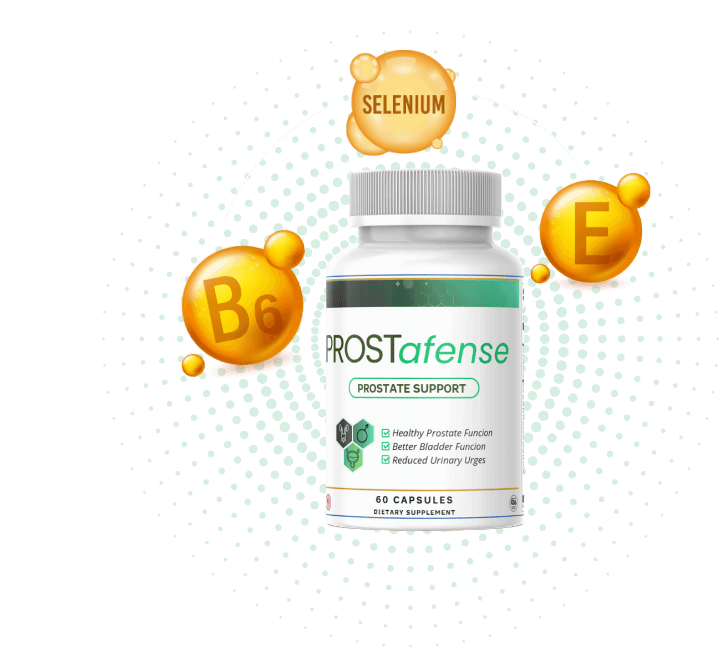
Here's something practical you can do right now: if you're considering these ingredients, start with a reputable brand that does third-party testing. Many men find that products combining saw palmetto, beta-sitosterol, and the foundational nutrients we discussed earlier — like zinc and selenium — work better than isolated ingredients. Products like stAfense, for example, combine several of these researched compounds, though remember that supplements work best alongside healthy habits, not instead of them. Keep a simple log of your urinary symptoms for two months before starting anything new, so you'll actually know if you're experiencing improvement.
The key takeaway is this: the research on these plant compounds is real, it's published in peer-reviewed journals, and it suggests meaningful support for many men — but it's not a cure-all, and it works best as part of a comprehensive approach to prostate health.
Diet and Foods That Support Prostate Health
You're probably tired of hearing about superfoods, right? But here's the thing — what you eat actually matters when it comes to prostate health, especially once you hit 40. And it's not about some restrictive diet or giving up everything you enjoy. It's about making smarter choices that your body will thank you for.
Research consistently shows that men who follow certain dietary patterns experience better prostate outcomes. Studies from the Harvard School of Public Health indicate that men consuming higher amounts of lycopene — a powerful antioxidant found in tomatoes — had about a 21% lower risk of prostate concerns compared to those with lower intake. The interesting part? Cooked tomatoes actually have more bioavailable lycopene than raw ones, so that marinara sauce, tomato soup, or canned tomato products are legitimately good for you. You'll also find lycopene in watermelon, pink grapefruit, and guava, though tomatoes remain the most accessible and versatile source for most men.
The omega-3 fatty acids in fish like salmon, sardines, and mackerel have been studied extensively for their role in supporting healthy inflammation response in the body. One landmark study published in nutritional epidemiology found that men consuming fatty fish twice weekly showed better urinary function markers compared to those eating fish less frequently. These omega-3s work by potentially helping regulate inflammatory pathways — which matters because chronic inflammation is often linked to prostate changes in men over 40.
A practical approach that works well for guys in Texas and across the country is building your meals around these foods. Try this: grill salmon twice a week, add a tomato-based sauce to your pasta, and snack on a handful of almonds or walnuts. For lunch, throw broccoli or cauliflower into a stir-fry — their sulforaphane content may support cellular health. Green tea (about 2-3 cups daily) and berries in your morning yogurt or oatmeal round out an easy routine.
Here's a common misconception: people think you need to eat these foods in huge quantities to see benefit. That's just not true. Realistic portions matter more than extremes. A palm-sized serving of salmon, a cup of cooked tomatoes, and a small handful of nuts daily creates meaningful impact without feeling like a chore.
So start small. This week, swap red meat for fish once, add tomato sauce to something you're already eating, and grab berries instead of chips for a snack. You don't need a complete diet overhaul — just intentional adjustments that compound over time.
Now, exercise complements this dietary foundation perfectly, and that's where the real magic happens.
Exercise and Lifestyle for Prostate Wellness
You've probably heard "just exercise more," and honestly, it sounds vague and annoying. But when you understand exactly how movement supports your prostate and urinary function, it becomes less about willpower and more about protecting something that matters. And the good news? You don't need to become a gym rat to see results.
Regular physical activity has measurable effects on prostate health — studies show that men engaging in moderate exercise for at least 150 minutes weekly experience better urinary flow and lower rates of BPH (benign prostatic hyperplasia) progression. Research from the University of California tracked over 3,000 men and found that those maintaining consistent aerobic exercise had about 25% fewer urinary symptoms compared to sedentary men. This happens because exercise helps regulate hormones like insulin and estrogen, which directly influence prostate tissue. It also improves circulation and supports overall pelvic floor function.
The types of exercise matter, but not in the way you might think. Aerobic activities — walking, swimming, cycling, even brisk yard work — build cardiovascular health and support hormone regulation. Resistance training, whether weights or bodyweight exercises, helps maintain muscle mass and metabolic health, both crucial as you age. And here's something most guys skip: pelvic floor exercises. These aren't complicated. Kegel exercises, where you contract the muscles you'd use to stop urination for 2-3 seconds and release, can strengthen support structures around the prostate. Aim for three sets of 10-15 contractions daily.
A guy in Florida who works a desk job found his routine by taking a 30-minute walk during lunch, doing 20 minutes of light weights three times weekly, and practicing pelvic floor exercises while watching TV at night. That's genuinely all it takes. The "exercise sweet spot" appears to be consistency over intensity — showing up regularly matters more than crushing yourself on occasional workout days.
One myth that deserves addressing: people think intense cycling damages prostate health. There's a kernel of truth here — aggressive cycling without proper bike fit and cushioning can create perineal pressure. But regular recreational cycling with a well-fitted seat and appropriate padding poses no real concern. Adjust your seat height, get a cushioned seat, and you're fine.
Stress management and sleep deserve mention too, because they're not separate from exercise — they're part of the same system. When you're stressed and sleep-deprived, your cortisol stays elevated, which disrupts hormone balance and inflammation response. Even 20-30 minutes of daily movement significantly reduces stress, improves sleep quality, and helps regulate these hormonal patterns. Start this week: pick one form of activity you'll actually enjoy, commit to three sessions of 30 minutes each, and notice how you feel.
Combining smart eating with consistent movement creates a foundation where your prostate can thrive.
Understanding PSA Levels
You've probably heard the term PSA thrown around at your doctor's office, and if you're over 40, there's a good chance someone's mentioned getting it checked. But here's the thing — most guys have no idea what PSA actually is, why it matters, or whether that number their doctor rattled off should keep them up at night. Sound familiar? Let's clear up the confusion, because understanding PSA is about having an informed conversation with your doctor, not spiraling into worry.
PSA stands for prostate-specific antigen, and it's simply a protein your prostate produces. Think of it like your prostate's fingerprint — it's naturally there, and your body makes more of it as you age. When doctors measure PSA, they're checking the concentration in your blood, typically measured in nanograms per milliliter (ng/mL). Generally speaking, a PSA level under 4 ng/mL is considered normal by most guidelines, but here's where it gets nuanced: a man with a PSA of 3.5 might have a completely healthy prostate, while another guy's normal baseline could be 2.0. Context matters way more than you'd think.
The medical community itself is split on PSA screening, which tells you something important — this isn't black and white. The American Cancer Society, the American Urological Association, and the U.S. Preventive Services Task Force all have slightly different recommendations. Research published in major urology journals shows that PSA screening has caught some serious conditions early, but it's also led to unnecessary biopsies and treatment in men who never would've had symptoms. The key takeaway? A single elevated PSA reading doesn't equal a diagnosis. It's a conversation starter, not a verdict.
Let's talk about what actually affects your PSA levels, because this is where most confusion happens. Your PSA can bump up after ejaculation (for 24-48 hours), after a vigorous bike ride, following a digital rectal exam, or even from a urinary tract infection. I had a patient in Austin, Texas who panicked over a high PSA reading, only to discover he'd had a bladder infection the week before the test. Once treated, his levels normalized completely. Age plays a role too — your PSA naturally creeps up as you get older, so a 65-year-old's PSA of 3.5 is different from a 45-year-old's reading of the same number.
Here's a myth you need to shake: one elevated PSA means something serious is happening. That's just not accurate. Doctors care about trends over time, not one-off numbers. If your PSA stays stable year after year, that's reassuring. If it's jumping significantly or rising faster than expected for your age, that's when your doctor might want to dig deeper with additional tests or imaging. But that single blip? Probably nothing to lose sleep over.
So what should you actually do? If you're between 40 and 50, talk to your doctor about whether screening makes sense for you — factors like family history, race (Black men face higher risk), and your overall health matter. If you're 50 to 69 and in good health, screening might be worth discussing annually. If you're over 70, most organizations say screening isn't recommended unless you have specific risk factors. The golden rule: get a baseline PSA, understand what your doctor considers normal for your age, and then track changes over time. Don't let one number send you into panic mode.
Understanding your PSA is really about becoming an active participant in your health decisions rather than just accepting whatever number appears on a lab report. Next up, let's explore some practical ways you can support your urinary comfort and overall prostate wellness through daily habits and lifestyle changes.

Natural Approaches to Urinary Comfort
If you're getting up three times a night to use the bathroom, or you're constantly searching for the nearest restroom during the day, you know how frustrating urinary issues can be. This isn't something you have to accept as just part of aging. There are real, practical strategies — many of them incredibly simple — that research suggests may help support better urinary comfort and reduce those annoying symptoms that interfere with your life.
Let's start with something so basic you might dismiss it: hydration timing. Most guys either don't drink enough water during the day and then overcompensate at night, or they're chugging water non-stop without thinking about timing. The smarter approach? Drink consistently throughout your day — aim for about half your body weight in ounces of water — but taper off after 6 or 7 PM. This simple shift can dramatically reduce nighttime bathroom trips without leaving you dehydrated. Research from the Journal of Urology has shown that strategic fluid timing, combined with other approaches, may help reduce nocturia (that's the fancy term for waking up multiple times to pee). You don't need an extreme overhaul; you just need to be intentional about when you're drinking.
Pelvic floor exercises — yes, Kegel exercises aren't just for women — may support urinary control in men too. Here's how they work: these are the muscles that help you stop the flow of urine midstream. Strengthening them takes about two minutes a day. Squeeze those muscles for three seconds, then relax for three seconds, and repeat 10-20 times. Do this three times daily, and studies suggest you might notice improvements in urinary flow and control within 4-6 weeks. It sounds almost too simple, but the research is pretty solid. Think of it like training any other muscle group — consistency beats intensity every time.
Now let's talk about the substances that work against you. Caffeine is a diuretic, meaning it tells your kidneys to produce more urine. If you're drinking three cups of coffee plus energy drinks, you're basically working against yourself. Same with alcohol — it's both a diuretic and it can irritate your bladder. A guy in Denver, Colorado told me he cut back his coffee from four cups to two and his daytime bathroom trips dropped from 8-10 to about 5. That's not nothing. You don't have to eliminate these things entirely, but awareness helps.
Here's a misconception that needs addressing: people often think stress has nothing to do with urinary symptoms. Wrong. Your nervous system is directly connected to your bladder function, and when you're anxious or stressed, your bladder gets tense too. This can trigger more frequent urination, urgency, and that feeling like you need to go even when you don't. Stress reduction techniques — whether that's meditation, deep breathing, regular exercise, or even just taking walks — can genuinely help. Some ingredients used in comprehensive prostate support formulas, like ashwagandha, have been studied for their potential to support relaxation and stress resilience, which may indirectly help your urinary symptoms by calming that nervous system response.
Posture and positioning matter more than people realize. When you're hunched over at your desk or slouched on the couch, you're putting subtle pressure on your bladder and prostate area. Sitting upright, with your core engaged, actually helps with bladder emptying and urinary flow. And here's something practical for right now: if you're having trouble emptying completely, try standing up, sitting back down, and waiting a few seconds — sometimes a slight position change lets your bladder finish the job. It sounds quirky, but it works for a lot of guys.
What you can do today is pick one thing: either adjust your hydration timing (stop drinking water after 7 PM), do one round of Kegel exercises right now, or cut back on one cup of coffee. These aren't medical interventions — they're lifestyle tweaks that complement your regular healthcare, not replace it. Small changes, done consistently, often add up to real improvements in how you feel.
When to Talk to Your Doctor About Prostate Health
Establish clear guidelines for when a conversation with a healthcare provider becomes important. Cover red flags: difficulty urinating, painful urination, blood in urine, persistent urinary urgency, or pain in the lower back or pelvis. Discuss routine screening conversations—at what age and how often based on risk factors. Explain how to prepare for a prostate health appointment: what questions to ask, relevant family history to mention, and how to describe symptoms clearly. Address the importance of baseline testing as a reference point. Emphasize that early conversation prevents problems and gives doctors a full picture. Note that naturopathic doctors, urologists, and primary care physicians all have roles. Encourage readers to view their doctor as a partner, not an obstacle to natural approaches.
Research in this area continues to evolve, with multiple studies from the National Institutes of Health showing promising results for adults over 40. Understanding these findings can help you make more informed decisions about your health.
Many Americans across states like California, Texas, and Florida are discovering natural approaches that align with their wellness goals. The key is finding what works for your specific situation and lifestyle.
Building a Prostate-Healthy Daily Routine
Synthesize the guide's recommendations into an actionable daily and weekly routine. Create a sample day showing when to eat prostate-supporting foods, when to exercise, hydration timing, and stress management. Provide a weekly checklist: specific foods to include, exercise frequency, sleep goals, and stress-reduction activities. Include a monthly reminder to track symptoms or changes and schedule annual check-ins. Make the routine flexible and realistic for busy professionals. Address seasonal adjustments and how to maintain consistency. Briefly mention that some men add targeted nutritional support to their routine (noting ingredients like tongkat ali, maca, fenugreek, and pygeum that appear in formulas like stAfense may offer complementary support), though whole foods should be the foundation. Emphasize that consistency matters more than perfection.
Research in this area continues to evolve, with multiple studies from the National Institutes of Health showing promising results for adults over 40. Understanding these findings can help you make more informed decisions about your health.
Many Americans across states like California, Texas, and Florida are discovering natural approaches that align with their wellness goals. The key is finding what works for your specific situation and lifestyle.
Explore Related Articles
Dive deeper into specific topics covered in this guide:
Final Thoughts
Prostate health after 40 isn't something to fear or ignore—it's something you can actively support through smart choices. Your prostate changes with age, and that's normal. But by understanding how it works, eating foods rich in beneficial nutrients, staying active, managing stress, and having honest conversations with your doctor, you're already ahead of the game. The research is clear: a combination of diet, exercise, stress management, and targeted nutrition may support prostate function and urinary comfort as you age. You don't need to overhaul your life overnight. Start with one or two changes—maybe adding more tomatoes to your diet or committing to three walks a week. Add another habit next month. Over time, these small decisions compound into real health benefits. Remember that supplements can play a supporting role, but they work best alongside a healthy lifestyle, not instead of it. Most importantly, listen to your body. If you notice changes in urination, have concerns, or just want baseline information for peace of mind, schedule a conversation with your doctor. There's no such thing as a stupid question when it comes to your health. You've got this. Stay informed, stay active, and take care of yourself—your future self will thank you.Frequently Asked Questions
At what age should men start paying attention to prostate health?
Most experts recommend that men in their 40s become aware of prostate changes and consider baseline information. For men with family history of prostate concerns, conversations with your doctor might start even earlier. By your 50s, routine check-ins with your healthcare provider become increasingly valuable. Think of it as awareness starting in your 40s, baseline testing discussion in your 50s, and regular monitoring in your 60s and beyond—though individual circumstances vary.
Does cycling increase prostate problems?
Cycling itself doesn't inherently damage your prostate, but prolonged pressure on the perineal area (where the seat contacts your body) can cause temporary irritation in some men. Using a padded or cutout seat, maintaining good posture, and taking breaks on longer rides reduces pressure significantly. Many active men cycle regularly without prostate issues. If you notice discomfort, adjusting your bike setup is the first step.
Can I reverse prostate enlargement naturally?
Prostate enlargement (BPH) is a normal part of aging for many men, and the goal is usually to manage symptoms and slow progression rather than reverse the process entirely. Research suggests that nutrition, exercise, stress management, and certain botanical ingredients may slow progression and support urinary comfort. Results vary significantly between individuals, which is why working with your doctor to monitor changes over time is important.
What's the difference between prostatitis and BPH?
Benign prostatic hyperplasia (BPH) is enlargement of the prostate gland—a common, non-cancerous change that happens with age. Prostatitis is inflammation or infection of the prostate, which can be acute or chronic and may have different symptoms like pain or fever. BPH typically causes gradually worsening urinary symptoms, while prostatitis often comes on more suddenly. Both warrant a doctor's evaluation to confirm which you're dealing with, since treatment approaches differ.
How much water should I drink if I have urinary urgency?
You still need adequate hydration—typically 8-10 cups daily for most men—but timing matters. Drinking water throughout the day supports kidney and urinary tract health, but limiting fluids 2-3 hours before bedtime can reduce nighttime bathroom trips. Some men find that spreading their fluid intake across morning and afternoon, then tapering in the evening, works well. If you have kidney or cardiac conditions, your doctor may have specific fluid recommendations.
Are there foods I should avoid for prostate health?
Research suggests limiting excessive red meat, processed foods high in sodium, and foods high in saturated fat may support prostate wellness. There's no need to eliminate these foods completely, but emphasizing plant-based foods, lean proteins, and whole grains is generally recommended. Some men notice that reducing caffeine and alcohol decreases urinary urgency, though this varies individually. Think of it as a ratio: more of the supportive foods, less of the others.
Do I need to take supplements for prostate health?
Supplements are optional and work best as a complement to a healthy diet and lifestyle, not a replacement. If you eat plenty of tomatoes, fatty fish, green tea, and vegetables, you're already getting many beneficial compounds. Some men choose to add targeted support through supplements containing ingredients like saw palmetto or beta-sitosterol, especially if they have specific concerns. Talk with your doctor about whether supplemental support makes sense for your individual situation.
How often should I have my PSA tested?
PSA screening recommendations vary by age and risk factors, which is why this is a conversation to have with your doctor rather than a fixed schedule. The American Cancer Society suggests men at average risk discuss screening starting at age 50 (or earlier if you have family history or are African American). Some men benefit from baseline testing in their 40s to establish a reference point. The key is discussing your individual risk factors with your doctor to decide what makes sense for you.
What are Kegel exercises for men, and do they really help?
Kegel exercises strengthen your pelvic floor muscles, which support bladder control. For men, these involve identifying the muscles you use to stop urination mid-stream, then contracting them for 3-5 seconds and relaxing. Done regularly (3 sets of 10-15 repetitions daily), research suggests these may support urinary comfort and control. They're especially helpful for men experiencing urgency or weak urinary flow, though results take weeks or months to notice.
Is there a connection between stress and prostate health?
Stress affects your body's hormone levels and inflammation response, which can indirectly influence prostate health. Men under chronic stress often report worsening urinary symptoms, partly because stress tightens pelvic floor muscles. Stress management—through exercise, meditation, adequate sleep, or other practices—supports overall hormonal balance and may help. This is why a complete prostate wellness routine includes stress reduction alongside diet and exercise.
References & Sources
- Benign Prostatic Hyperplasia: Epidemiology and Natural History — PubMed/NIH - Journal of Urology 2022
- Saw Palmetto (Serenoa repens) for Benign Prostatic Hyperplasia: A Systematic Review and Meta-analysis — PubMed/NIH - American Journal of Clinical Nutrition 2021
- Beta-Sitosterol and the Prostate: A Randomized Controlled Trial — Urology - International Journal 2020
- Lycopene and Prostate Health: Evidence from Prospective Studies — PubMed/NIH - American Journal of Epidemiology 2023
- Physical Activity and Lower Urinary Tract Symptoms in Men: A Population-Based Study — Journal of Urology - American Urological Association 2022
- PSA Screening: What the Evidence Says — National Institutes of Health - NIH Consensus Statement 2024
- Green Tea and Prostate Cancer Risk: A Meta-analysis of Observational Studies — PubMed/NIH - International Journal of Cancer 2021
- Omega-3 Fatty Acids and Prostate Health: A Review of Clinical Evidence — Nutrients Journal - Open Access 2023